
By Kennedy Blair Miller
For a long time, I struggled to believe my identities as a classical musician and an activist were compatible. The history of classical music is filled with misogyny, racism, and homophobia, so I sought out an alternate history – one where musicians used their art as a vessel for progress.
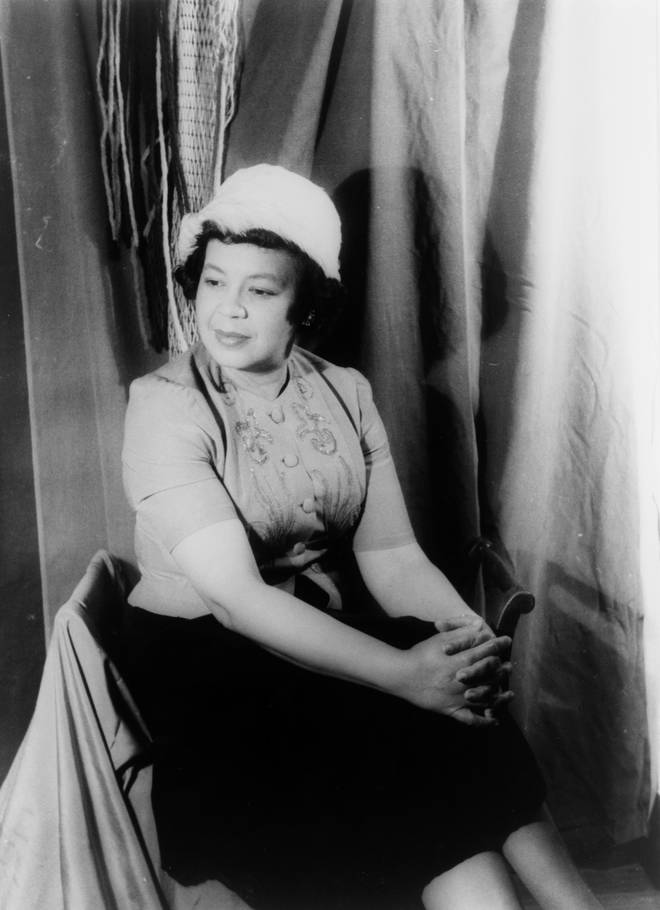
Margaret Bonds epitomises this.
Bonds was born in Chicago in 1913 to parents who were active in the beginnings of the Civil Rights Movement. Her home was often filled with guests who exemplified black excellence and black power; one of these was Florence Price, another African American female composer, who later became Bonds’s teacher.
When Bonds attended Northwestern University to study composition, she was the survivor of constant racist attacks. She later remarked that her refuge was her art and the art of other black artists. After moving to New York City in 1934 to study at Julliard, she befriended Langston Hughes, one of the most famous poets of the Civil Rights Movement. The two frequently collaborated on art which was at the forefront of the Harlem Renaissance. Her original compositions and her settings of black spirituals were rooted in her intersectional identity as a black woman and in her passion for advocating for change. She used the very art form that often disempowered her as a vessel of empowerment for herself and other black artists. Margaret Bonds was an excellent composer. Sea Ghost, The Negro Speaks of Rivers, and The Ballad of the Brown King are three pieces that just begin to exemplify her talent. She was undeniably in love with her identity as a musician, and she used this to further her activist aims. Bonds has shown me that these two identities are not at war with each other; rather, they are inextricably linked with the power to spark a movement and create tangible change.

 RAMpage